Egypt Travel Guide
Dawn Travels Egypt Travel Guide
Egypt is a destination that gives a history, culture, and contrast travel experience. Within one trip, the visitors can travel among the ancient locations and the modern cities, as well as desert areas and resorts.
Dawn Travels intend to make our Egypt tours as hassle-free as possible and well-coordinated so that visitors can concentrate on the experience instead of logistics.
A Practical Egypt Travel Guide for First-Time Visitors
This complete Egypt travel guide is designed to suit the needs of those tourists seeking explicit, helpful information prior to scheduling their trip. It explains in detail how travel works in everyday context, other than the mere highlights often seen on the internet. This is meant to assist visitors in coming ready and travel stress free.
What to Expect When Traveling in Egypt?
Egypt bridges Africa, Middle East and shares layers of history that shape everyday life, food, practices, and transit between the regions. Different parts of the country have different travel conditions. Big cities and popular tourist destinations are highly developed and have more infrastructure, whereas smaller towns and far-off locations are less developed and provide a more leisurely traveling experience.
How to Plan Your Egypt Trip?
1. Choose Your Itinerary
The 7-day Egypt itinerary best fits as it centers on one city and one surrounding area. This allows time to visit the most important historical places and maintain a little travel day that are not too long to handle.
Under an Egypt itinerary 10 days, travelers have the opportunity to move at a more comfortable speed, covering more ground. This period is usually filled with big cities, historical places of interest and time to have a good adventure without being in a hurry.
2. Plan Your Budget Wisely
For a comfortable and affordable trip to Egypt, your travel budget should account for flights, accommodation, local transport, guided tours, meals, and site entry fees. Planning costs early helps manage expectations and keeps spending under control during the trip.
3. Pick the Ideal Time
The best time to visit Egypt depends on travel style. Cooler months are ideal for sightseeing and outdoor exploration, while warmer months suit coastal areas and resort stays. Seasonal timing can also affect crowd levels and pricing.
4. Take Travel Distances into Account.
Some locations require flights or long road journeys, so selecting fewer destinations and allowing enough time in each place usually leads to a smoother experience.
5. Set Aside Your Conveyance Costs
The cost of conveyance in Egypt varies by city, season, and travel style. Tourist hubs and luxury resorts tend to be higher in price, while smaller cities and inland areas are generally more budget-friendly.
Things to Keep in Mind Before You Travel
Important things to know before visiting Egypt include respecting local customs, allowing extra time for travel days, and staying flexible when plans shift unexpectedly.
● Egypt covers a large area, and travel between cities or historical sites can take longer than expected. Planning lighter travel days helps avoid fatigue.
● Customs differ by location. Tourist areas are generally relaxed, but religious sites and smaller communities expect modest dress and respectful behaviour.
● Traffic in major cities, especially Cairo, can be unpredictable, so travel timing often matters more than strict schedules.
● Cash is widely used for small purchases, tips, taxis, and local markets, even though hotels and larger restaurants usually accept cards.
● Daily life moves at a slower pace. Meals and services are not rushed, and patience goes a long way when moving through busy areas.
● Changes due to weather, site closures, or local conditions can happen, so flexibility helps make the overall experience smoother and less stressful.
Visa Requirements and Entry Information
Egypt visa requirements vary depending on your nationality and the purpose of your visit. Policies can change, so it is always best to check official sources before confirming flights or accommodation.
Many travellers are eligible to apply online before departure, which helps simplify arrival procedures for short tourist stays. Others may qualify for a visa on arrival, depending on passport type and current regulations.
Do I need a visa for Egypt?
The answer depends on your citizenship and how long you plan to stay.
● A visa is required in advance if your nationality is not eligible for visa-free entry or visa on arrival. In this case, applying before travel helps avoid delays.
● A visa may be granted on arrival or waived for certain passport holders visiting for a limited time, subject to entry conditions.
Additional entry checks can include proof of accommodation, a return or onward ticket, and evidence of sufficient funds. Travel insurance is recommended, and officials may ask for supporting documents during arrival procedures.
Complete Transportation Guide for Egypt
Should You Take Public Transport in Egypt?
In Egypt public transport includes options like metros, buses, trams, and ferries in major cities.
● Cairo and Alexandria have reliable metro and bus networks, while ferries connect key coastal and Nile locations.
● Most urban areas accept transit cards or tickets, and apps can help track schedules in real time.
● For longer distances, intercity buses are comfortable and dependable.
Should You Rent A Car in Egypt?
Renting a car in Egypt can be useful when exploring desert areas, the Red Sea coast, or towns where public transport is limited. Self-driving allows flexibility, though local traffic conditions require caution, particularly in Cairo and other busy cities.
What Else Should You Know Regarding Travel in Egypt?
● Most international flights arrive through Cairo, Egypt’s main entry hub.
● Typical flight times vary; for example, the flight time between USA to Egypt ranges from 11 to 15 hours depending on departure city and connections.
● Airport transportation includes taxis, shuttle buses, and private transfers. Some cities also offer metro or bus connections from the airport to the city center.
● Many travelers use domestic flights to reduce long road journeys between destinations such as Luxor, Aswan, and Hurghada.
Getting around Egypt is generally straightforward with a combination of domestic flights, public transport, taxis, and occasional car rentals, allowing travelers to explore both cities and more remote attractions efficiently.
Explore Egypt Like a Local with a Guide
Exploring Egypt is exciting, but the country is vast and packed with historical, cultural, and natural highlights. Hiring a local guide can make your journey smoother, help you navigate busy cities, and uncover experiences you might otherwise miss.
Knowledgeable Egypt cities travel guide saves time, explains the stories behind monuments, and connects you to the local culture in a natural way.
1. Cairo
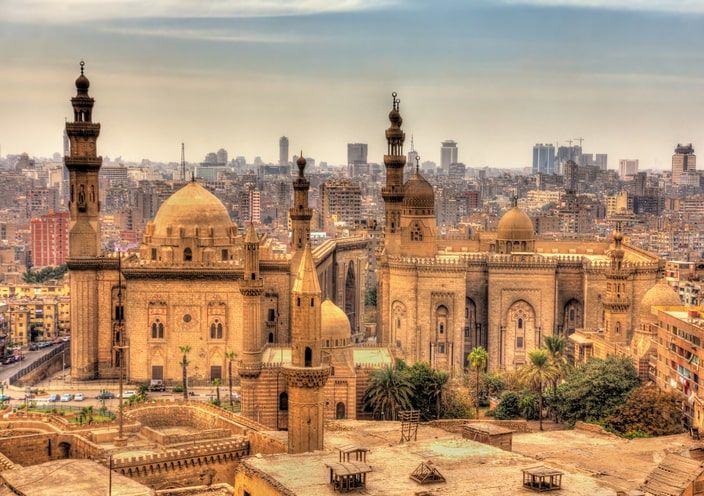
A Cairo city travel guide helps visitors navigate bustling neighborhoods, the Egyptian Museum, and historic Islamic Cairo.
2. Giza
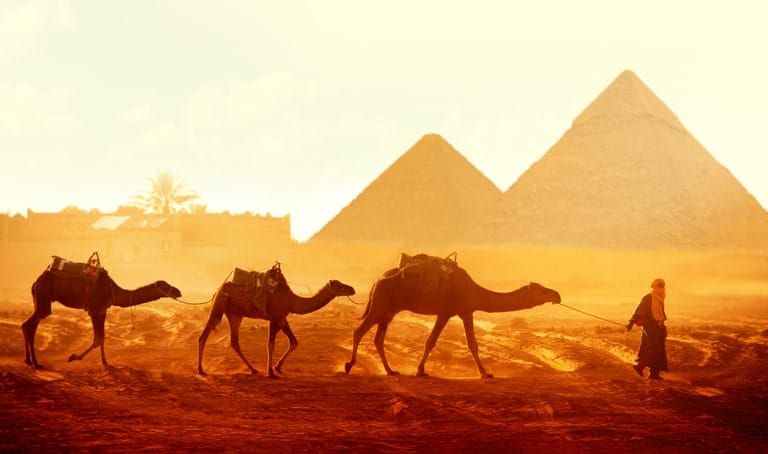
For the Giza plateau, a guide ensures you understand the significance of the Pyramids and Sphinx while avoiding crowds and planning the best viewpoints for photos.
3. Luxor
A Luxor guide enhances your visit to the Valley of the Kings, Karnak Temple, and Luxor Temple. With local insight, you’ll learn about pharaonic history, ceremonial practices, and hidden details often missed by first-time travelers.
4. Aswan
An Aswan city travel guide provides context for the Nile scenery, Philae Temple, and Nubian villages. Guides can arrange Nile felucca rides, explain local traditions, and highlight scenic viewpoints along the river.
5. Alexandria
A guide in Alexandria helps visitors explore the Library of Alexandria, ancient Roman sites, and the Mediterranean waterfront. You’ll also gain insight into the city’s unique Greco-Egyptian heritage.
6. Red Sea Resorts
For coastal destinations like Hurghada or Sharm El Sheikh, a local guide can recommend snorkeling or diving spots, arrange boat trips, and introduce lesser-known beaches.
7. Nile Cruises
A cruise guide ensures a seamless experience while sailing between Luxor and Aswan. They provide historical context, organize excursions to temples and villages, and enrich your understanding of daily life along the Nile.
Hiring a local guide in Egypt doesn’t just make logistics easier; it deepens your understanding of the country’s history, culture, and people. From the bustling streets of Cairo to the serene Nile in Aswan, a guide transforms a visit into a memorable and stress-free experience.
What Are the Must-See Places You Shouldn’t Miss in Egypt?
From ancient landmarks to natural wonders, here are some top attractions in Egypt, no traveler should miss:
● Cairo: Explore the Egyptian Museum, Khan El Khalili Bazaar, and vibrant streets.
● Giza: Visit the iconic Pyramids of Giza and the Sphinx, perfect for photos and history buffs.
● Luxor: Discover the Valley of the Kings, Karnak Temple, and Luxor Temple.
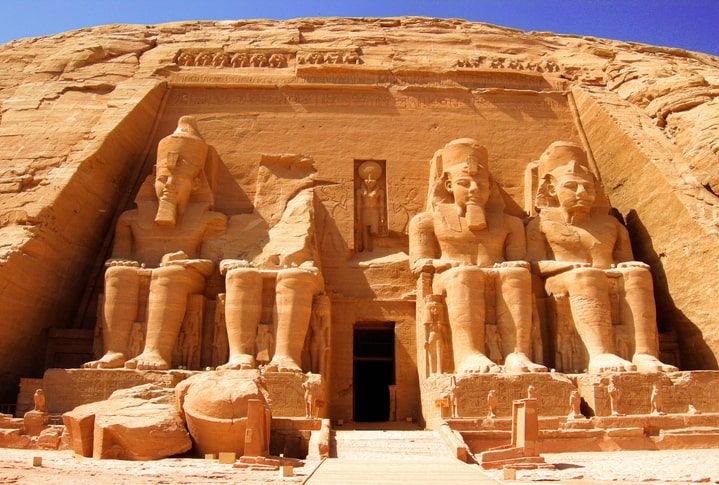
● Aswan: Cruise the Nile, see Philae Temple, and explore Nubian villages.
● Alexandria: Roman ruins, the historic library, and Mediterranean coastlines await.
Experience the Real Flavors of Egypt
Dive into traditional Egyptian cuisine like koshari, ful medames, and molokhia.
● Must-try Egyptian street food includes falafel, shawarma, and freshly baked baladi bread.
● Join a local Egypt food tour for tourists to taste regional specialties and learn about food culture.
● Don’t miss markets and cafes, as sampling food is also a window into Egyptian cultural experiences.
Take your time to explore, and ask locals for their favorite hidden food spots.
What Should You Keep in Mind to Stay Safe While Exploring Egypt?
Follow these travel safety tips to enjoy your Egypt Tour with pace of mind:
● Stay aware of surroundings, secure belongings, and avoid risky areas after dark.
● Carry travel insurance to cover medical emergencies or unexpected travel disruptions.
● Keep the currency used in Egypt (Egyptian Pound) handy for small bills like market shopping and taxi travels.
● Get a SIM card for tourists to stay connected and easily navigate cities and attractions.
● Additionally, keep in mind to stay hydrated, use sunscreen, and avoid unsafe water.
Ready to Experience the Best of Egypt?
Egypt offers a journey through time and culture, from the bustling streets of Cairo to the serene waters of the Nile. Every city and landmark has its own story, giving travelers the chance to experience Egypt adventure travel in ways that go beyond sightseeing.
With careful planning, local insights, and attention to travel tips, your visit can be smooth, safe, and memorable. Exploring ancient temples, sampling traditional cuisine, and cruising the Nile can create lifelong memories for every type of traveler.
Book your tour with Dawn Travels today and enjoy a seamless, guided experience that brings the magic of Egypt to life.